Users prefer continuous updates over static reports because they provide instant data access, stop information from becoming old, and allow deeper exploration. Instead of waiting for a weekly PDF file, live systems let users see what is happening right now.
The Psychology Of Information Consumption: Why Users Prefer Continuous Updates Over Static Reports
The psychology of information consumption explores how we find, process, and react to content. Driven by the brain’s dopamine reward system, digital media encourages passive consumption and information overload. This behavior alters memory, focus, and decision-making skills over time.
How Feedback-Driven Systems Reshape Information Expectations
Information is no longer consumed as a finished product. It is experienced as a process. Users do not wait for complete reports. They follow developments as they unfold, reacting to each update and adjusting their understanding in real time.
This behavioral shift is not limited to news platforms. It is shaped by exposure to systems that deliver immediate feedback and continuous change. Once users become accustomed to this structure, they begin to expect it everywhere.
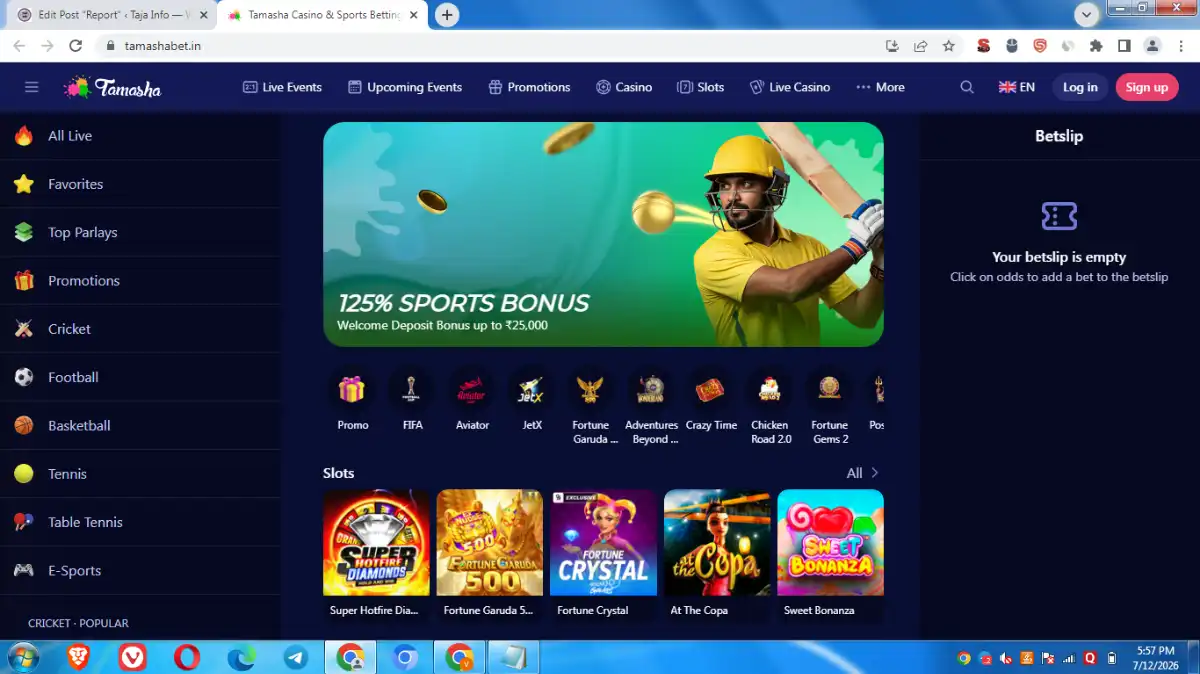 Continuous Information Updates vs Static Reports Explained
A useful reference point is the interaction model seen in environments like tamasha bet india, where user engagement is structured around rapid cycles of input and response rather than delayed outcomes. The relevance of such systems lies in how they demonstrate the mechanics of sustained attention. Each update creates a new decision point, reinforcing the expectation that information should evolve continuously rather than remain static.
As a Result, users no longer perceive information as something to be consumed once. They treat it as something to be monitored, evaluated, and revisited.
Core behavioral mechanics behind continuous information consumption:
- Expectation of immediacy, where delays reduce perceived value
- Iterative understanding, where users refine conclusions over time
- Preference for live updates, which feel more relevant than summaries
- Attention anchored to change, not to completeness
These mechanics explain why static reports often struggle to retain attention, even when they provide deeper insight.
Why Static Reports Feel Incomplete
Traditional reporting formats were designed for environments where updates were infrequent. A single, well-structured report could capture the full context of an event because the event itself evolved slowly.
This is no longer the case. Events unfold rapidly, and information changes as new data becomes available. In this context, a static report represents only a snapshot. It captures a moment, but not the process.
Users recognize this limitation. Even when a report is accurate, it may feel outdated if it does not reflect the latest developments. This perception reduces engagement because users prioritize relevance over completeness.
The challenge for information platforms is to bridge this gap. They must provide depth without sacrificing immediacy.
How Continuous Updates Influence Trust
Trust in information has traditionally been linked to accuracy and authority. In real-time environments, responsiveness becomes an additional factor.
Users tend to trust sources that update frequently because these sources appear more engaged with the evolving situation. However, frequent updates also increase the risk of errors.
This creates a tension between speed and reliability. Platforms must update quickly to remain relevant, but they must also maintain accuracy to preserve trust.
The most effective approach is transparency. When updates are accompanied by context and clear indications of uncertainty, users are more likely to accept revisions without losing confidence in the source.
Structuring News for Iterative Consumption
To align with modern consumption patterns, news platforms need to rethink how information is structured.
Instead of presenting a single, comprehensive report, they should adopt a layered approach. The initial update provides the core information, while subsequent updates add detail and context.
This structure allows users to engage at different levels. Those seeking quick updates can focus on the latest information, while those seeking deeper understanding can explore the full sequence of developments.
Visual tools play an important role in this process. Timelines, live feeds, and update markers help users track changes without rereading entire articles.
The Role of Engagement Loops in Information Retention
Continuous updates create engagement loops similar to those found in interactive systems.
Each update encourages the user to return for the next one. This repeated interaction increases familiarity with the platform and reinforces the habit of checking for updates.
However, the effectiveness of these loops depends on relevance. Updates must provide meaningful new information. Repetition without added value can reduce trust and lead to disengagement.
This highlights the importance of editorial discipline. Not every change needs to be published immediately. The focus should be on updates that genuinely improve understanding.
A Practical Framework for Designing Continuous Information Systems
Platforms that want to align with modern user behavior can implement the following framework:
- deliver initial updates quickly to capture attention.
- provide structured follow-ups that add context and depth.
- use clear indicators to highlight what has changed.
- maintain transparency about uncertainty and revisions.
- balance update frequency with informational value.
This approach ensures that speed does not come at the expense of clarity.
Why Many Platforms Struggle to Adapt
Despite the clear shift toward continuous consumption, many platforms still rely on outdated structures.
Common challenges include:
- editorial workflows that are too slow for real-time updates
- content formats that do not support incremental changes
- lack of integration between reporting and publishing systems
- difficulty maintaining consistency across multiple updates
These issues limit the ability to deliver information in a way that matches user expectations.
Where Competitive Advantage Emerges
Platforms that successfully adapt to continuous consumption gain a significant advantage.
They become primary sources of information during rapidly evolving events. Their ability to provide timely updates and maintain clarity positions them as reliable guides in complex situations.
This advantage is not purely technological. It depends on how well systems, processes, and editorial practices are aligned with user behavior.
The Future of Information Consumption
As digital ecosystems continue to evolve, continuous updates will become the default expectation.
Advances in automation and data integration will enable faster and more accurate reporting. At the same time, the challenge of maintaining trust will become more complex.
Platforms that invest in both speed and transparency will be best positioned to succeed.
Why Continuous Monitoring Replaces Passive Reading
The shift from static reports to continuous updates reflects a deeper change in how users interact with information.
They are no longer passive readers. They are active observers, tracking developments and adjusting their understanding over time.
This requires platforms to move beyond traditional reporting models. They must support ongoing engagement rather than one-time consumption.
Because ultimately, information is no longer defined by what is known at a single moment.
It is defined by how it changes.