The Basketball became popular in the Philippines after it was introduced by Americans in the late 19th century. The Philippines dominated basketball in Asia from the 1910s to 1930s, winning 9 of 10 championships. Basketball culture in the Philippines emphasizes accessibility, teamwork and resilience. According to surveys, roughly 40 million Filipinos—nearly 40% of the population—actively follow the sport, with millions more engaging in local games and leagues.
Why Basketball Is So Popular in the Philippines: A Look at the Culture Behind the Game
The Close to a third of the Philippine population plays basketball regularly, according to research cited by FIBA. The number makes more sense once you look beyond professional arenas. Hoops appear in schoolyards, barangays, residential streets and small community courts. A serious game does not require a full indoor venue. A ball, a rim and a few willing players are often enough.
That constant exposure has also made basketball part of a wider entertainment routine. Fans move between live games, highlights, statistics, mobile titles and other digital activities during the same evening. Someone browsing an online casino may be using the same phone that carried a basketball stream a few minutes earlier. The activities are different, but both now sit inside one digital leisure environment. Clear time and spending limits help keep paid gaming separate from the sport itself.
Basketball Arrived Early and Stayed
Basketball arrived in the Philippines under American rule around 1900. The YMCA spread the game across the islands. Local schools adopted this sport quickly due to simple gear and basic rules. Regional tournaments emerged soon after, creating a solid national athletic structure within decades.
Early global success strengthened its status. The men’s squad placed fifth at the 1936 Berlin Olympics. Later, the roster earned bronze at the 1954 World Championship in Rio de Janeiro.
The Barangay Court Is Part of Daily Life
Basketball fits community sports well. Full squads are unnecessary for a simple match. Smaller formats like three-on-three or one-on-one suit tiny outdoor spaces. A plain concrete court serves children by day and adults in the evening. That same spot hosts local tournaments.
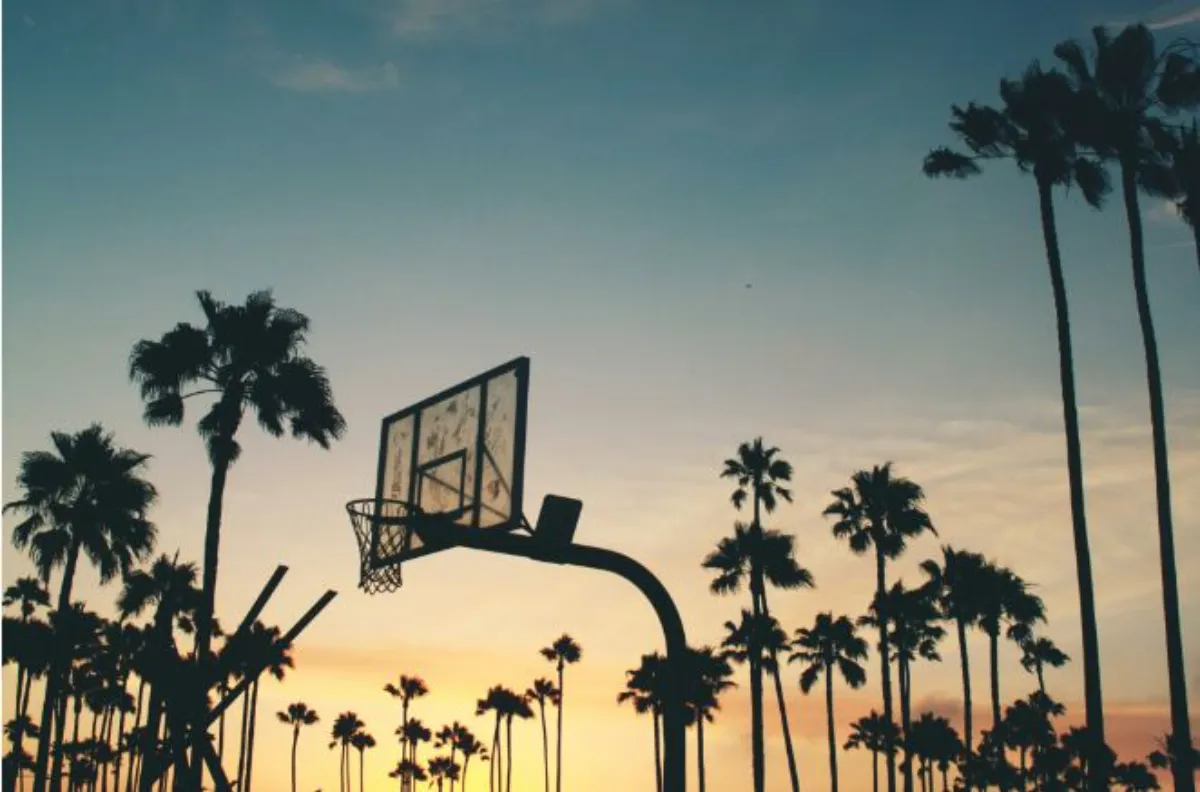
This accessibility matters in a country made up of thousands of islands and communities of very different sizes. Football requires more open ground. Baseball needs more specialized space. A basketball half-court fits into a much tighter area. That practical advantage helped the game become visible almost everywhere.
School Rivalries Made Fans Early
Student competitions started early in the region. Local organizers established the NCAA in 1924 and the UAAP in 1938. Ateneo, De La Salle, UP and other programs can fill major venues for important games. Alumni keep following their universities years after graduation. Players can become recognizable national figures before turning professional. College basketball therefore creates both athletes and lifelong spectators.
The Maharlika Pilipinas Basketball League
Organizers established the league in 2017, and matches started a year later. A regional team structure creates a direct local connection for fans. That differs from the corporate identities traditionally common in the PBA. A supporter can follow a side that represents a familiar place.
That local identity also affects sports analysis and betting interest. Before a match, followers may compare recent results, lineups and home-court performance. Checking MPBL odds then becomes part of evaluating a specific fixture rather than simply choosing a familiar team name. Markets still need to be understood before any stake is placed. A fixed budget keeps the prediction element separate from loyalty to a hometown side.
Gilas Turns Basketball Into a National Event
Gilas Pilipinas unites supporters who usually follow competing PBA or University rosters. International competition creates a rare moment when almost everyone has the same team. Wins become national talking points. Difficult defeats can produce equally long debates.
The 2023 FIBA Basketball World Cup highlighted this strong fan passion. Manila co-hosted the tournament that year. Global stars arrived in the Philippines to compete on the biggest international stage. It also placed Philippine basketball culture in front of an international audience. Hosting a global event confirmed how deeply the sport is embedded in the country.
The Game Works at Almost Any Level
Basketball stays popular across generations due to its simple adaptability. Regular participants can enjoy the game without top athletic skills. Rules can be simplified for children. Older players can compete at a slower pace. A neighborhood game can be serious without resembling a professional contest.
Several qualities make basketball unusually easy to adopt:
- small games need only a few players;
- half-courts require limited space;
- equipment is inexpensive compared with many sports;
- rules are easy to modify;
- games can be short or long;
- spectators can stand close to the action.
Those details make spontaneous play possible. They also help local tournaments appear without large budgets or complicated infrastructure.
Digital Betting Added Another Way to Follow Games
The modern basketball audience does more than watch television. A phone can carry scores, player statistics, injury reports and live commentary at once. Betting services have become another part of that information environment for some adult fans. The important change is speed. Decisions that once required a visit to a betting shop can now happen during a timeout.
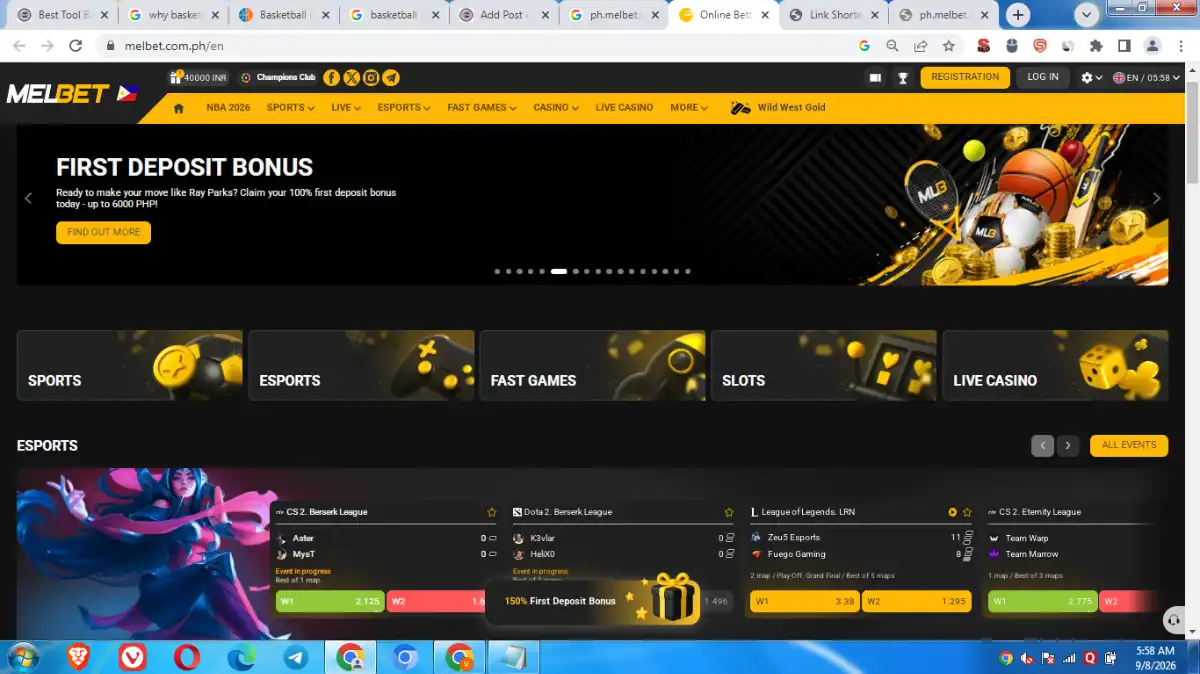
An online betting site can cover local and international basketball on the same interface. That makes comparison convenient, but it also removes many natural pauses between wagers. Setting a limit before the game is therefore more useful than deciding after every quarter. Betting should remain a side activity rather than the reason to keep watching. The Result on the court should still matter as sport.
Basketball Creates Social Space
The strongest explanation for the game’s popularity may be outside professional competition. A barangay court is also a meeting place. Children spend time there after school. Adults organize weekend games. Spectators talk from the sidelines even when they have no intention of playing.
Local tournaments can bring together entire neighborhoods. Teams gain informal supporters. Small rivalries grow over several seasons. Food sellers and families gather around the same event. Basketball becomes social infrastructure without needing to be described that way.